
English-speaking
physiotherapist in Paris 17.

Alexis Villaret at 22 rue Torricelli: back and neck pain, shoulder rehabilitation, tendinopathy, running injuries and sports rehabilitation.

Consultations in French or fluent English — CEFR C2.

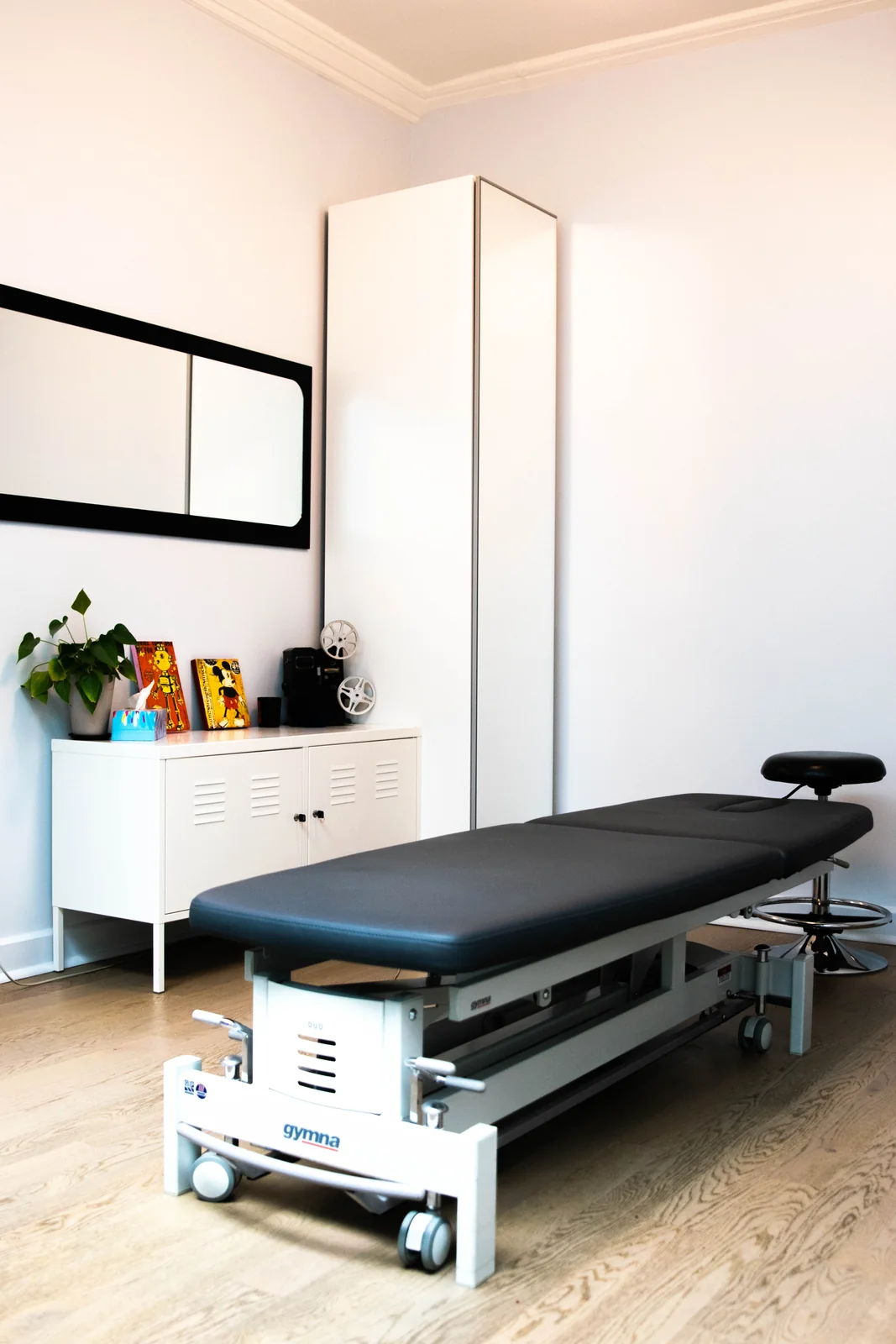
Physiotherapy treatment room in Paris 17

Understand your situation.
Regain your capacities.

The assessment considers pain, mobility, strength, endurance and your goals to build a progressive and measurable rehabilitation plan.

Your needs.
Individual rehabilitation.

Physiotherapy — also called physical therapy — at the Paris 17 practice connects your symptoms with your abilities and what matters to you. Together, we define a realistic progression for back pain, neck pain, shoulder symptoms, tendon pain or a running injury.

Illustration of a person gently moving their back

McKenzie Method · Mechanical Diagnosis and Therapy

Back pain & McKenzie MDT

Low back pain, sciatica & radiating leg pain

Acute, recurrent or persistent low back pain can affect movement, work and sport. A mechanical assessment explores how repeated movements and positions influence your symptoms, including sciatica or pain radiating into the leg. Findings guide individual exercises, back strengthening and a gradual return to activity.

An active, personalised approach

As a Credentialed MDT therapist (Cred. MDT), I use the McKenzie Method when appropriate to your assessment. Directional preference and centralisation — when radiating pain moves closer to the spine — can help guide treatment. The aim is to build confidence and practical self-management strategies.


Illustration of a seated person gently moving their neck

Cervical assessment · MDT

Neck pain

Cervical pain, neck stiffness & arm pain

Neck pain, stiffness, neck and arm pain or tingling require an assessment of the cervical spine and upper limb. Your symptoms, mobility, movement control, strength and endurance help us select an individual neck rehabilitation programme.

An active, personalised approach

Treatment may combine neck mobility exercises, cervical strengthening and gradual exposure to the demands of work or sport. For cervicogenic headache or suspected cervical radiculopathy, the assessment helps determine the appropriate care pathway.

Illustration of progressive shoulder strengthening with a resistance band

Jo Gibson approach · Functional rehabilitation

Shoulder rehabilitation

Shoulder pain, rotator cuff symptoms & stiffness

Rotator cuff related shoulder pain, rotator cuff tendinopathy, subacromial pain (sometimes called shoulder impingement), frozen shoulder or adhesive capsulitis, and shoulder instability can limit everyday activities. Assessment identifies the movements and capacities to work on rather than relying on a diagnostic label alone.

An active, personalised approach

Drawing on training with Jo Gibson and Karen Ginn, I adapt shoulder exercises, progressive rotator cuff strengthening, external rotation work and functional tasks to your needs. The goal is to regain confidence in lifting, reaching overhead, carrying and returning to sport.

Illustration of calf strengthening and Achilles tendon loading

Jill Cook’s research · Progressive tendon loading

Tendons & tendinopathy

Achilles, patellar & elbow tendon rehabilitation

Tendon pain is often described as tendonitis or tendinitis. I treat Achilles tendinopathy, patellar tendinopathy (jumper’s knee) and lateral elbow tendinopathy (tennis elbow or lateral epicondylalgia). The assessment considers pain, strength, training load and the demands placed on the tendon.

An active, personalised approach

Informed by Jill Cook’s research, rehabilitation focuses on load management and progressive resistance exercise. Calf strengthening and heel raises, quadriceps work or forearm strengthening are selected according to the affected tendon. Tendon loading is adjusted to improve capacity and tolerance while supporting a gradual return to activity.

Illustration of a runner returning to running in a park

Training with La Clinique Du Coureur / The Running Clinic

Running injuries & running assessment

From running injury assessment to return to running

Looking for a physiotherapist for runners in Paris 17? I help recreational runners understand their symptoms, adapt training and return to running progressively. Common concerns include patellofemoral pain (runner’s knee), iliotibial band syndrome (IT band syndrome), Achilles or patellar tendinopathy, shin splints, plantar heel pain and rehabilitation after an ankle sprain.

Training load, strength & progression

The running assessment considers your symptoms, strength, exercise tolerance and recent changes in training. Running technique and treadmill observation can be explored when relevant to the assessment. Mechanical stress quantification helps adjust running volume, intensity, frequency, recovery and strength training for runners. The return to running programme follows your response and goals.

Discover The Running Clinic ↗
How does movement guide treatment?Explore Mechanical Diagnosis and Therapy

Understand how symptoms
respond to movement.

MDT is an active, individual approach to musculoskeletal conditions. The assessment explores how repeated movements, positions and mechanical loading influence pain, mobility and radiating symptoms.

It may identify a directional preference or centralisation, which can guide exercises and strategies appropriate to your clinical presentation. McKenzie exercises are selected from your assessment rather than prescribed as a standard routine for every person with back pain.

Source: McKenzie Institute International ↗
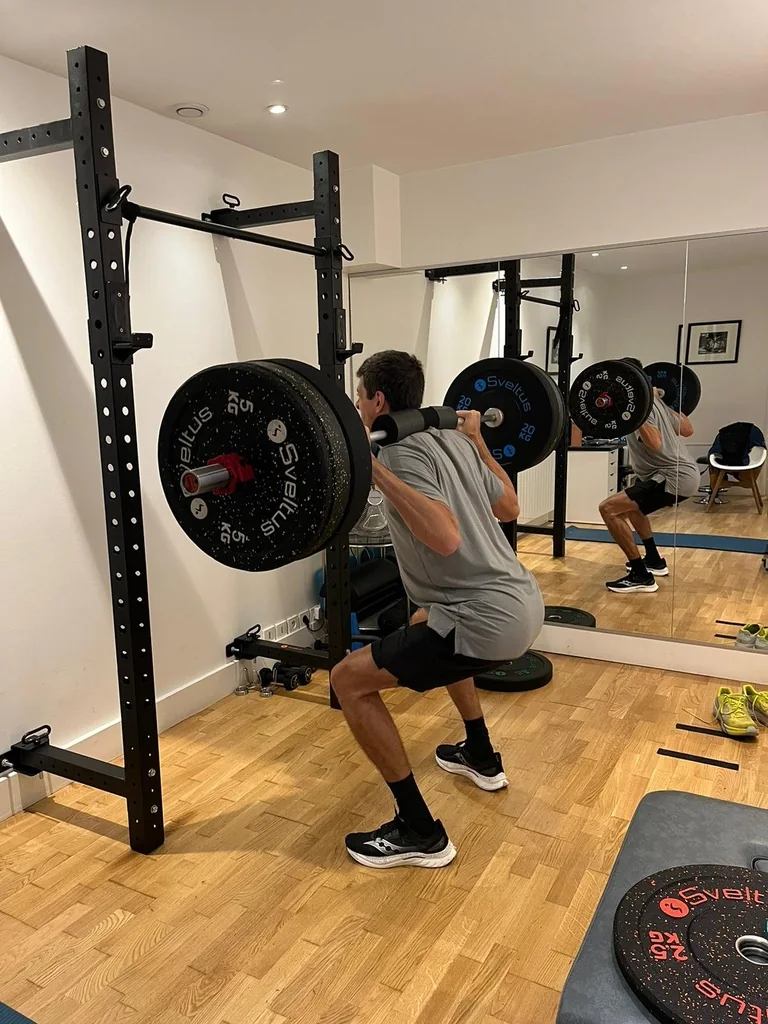
Strength training and sports rehabilitation space at the practice

Regain the capacities
that matter to you.

When pain improves but strength, endurance or confidence remain limited, rehabilitation continues towards the demands of your daily life, work or sport. Strength assessment, functional testing and progressive resistance training help define measurable goals for return to running, return to sport and return to play.

Can I have my consultation in English?

Yes. I am a fluent English speaker (CEFR C2). Your assessment, treatment discussions and exercise instructions can take place entirely in English, or in French if you prefer.

What happens during a physiotherapy assessment?

We discuss your pain, history and goals, then assess mobility, strength, endurance and function. The results help us build an individual rehabilitation plan together and monitor progress.

Is the McKenzie Method only for back pain?

No. Mechanical Diagnosis and Therapy (MDT) is used for lumbar and cervical spine problems and some limb symptoms. Its suitability depends on the assessment and how your symptoms respond to movements and positions.

Do you assess running injuries?

Yes, at 22 rue Torricelli in Paris 17. Drawing on training with The Running Clinic, I assess symptoms, physical capacities and training load to plan rehabilitation, strengthening and return to running.

When is return-to-sport rehabilitation useful?

When pain is improving but strength, endurance, confidence or sport-specific capacities are still insufficient. Training progresses towards agreed goals, guided by repeated assessments.

Visit the practice.

Consultations available in French and English. Check availability and choose your appointment on Doctolib.

Book on Doctolib ↗
Address22 rue Torricelli
75017 Paris, France
Opening hoursMonday to Friday
9 am – 7:30 pm
Professional registrationRPPS 10005795793
ADELI 757056593